
Glimpse the Future: Temperature, Entropy, & Creative Uncertainty
Quantum-Inspired AI Dynamics
Part 2 of 7
Introduction
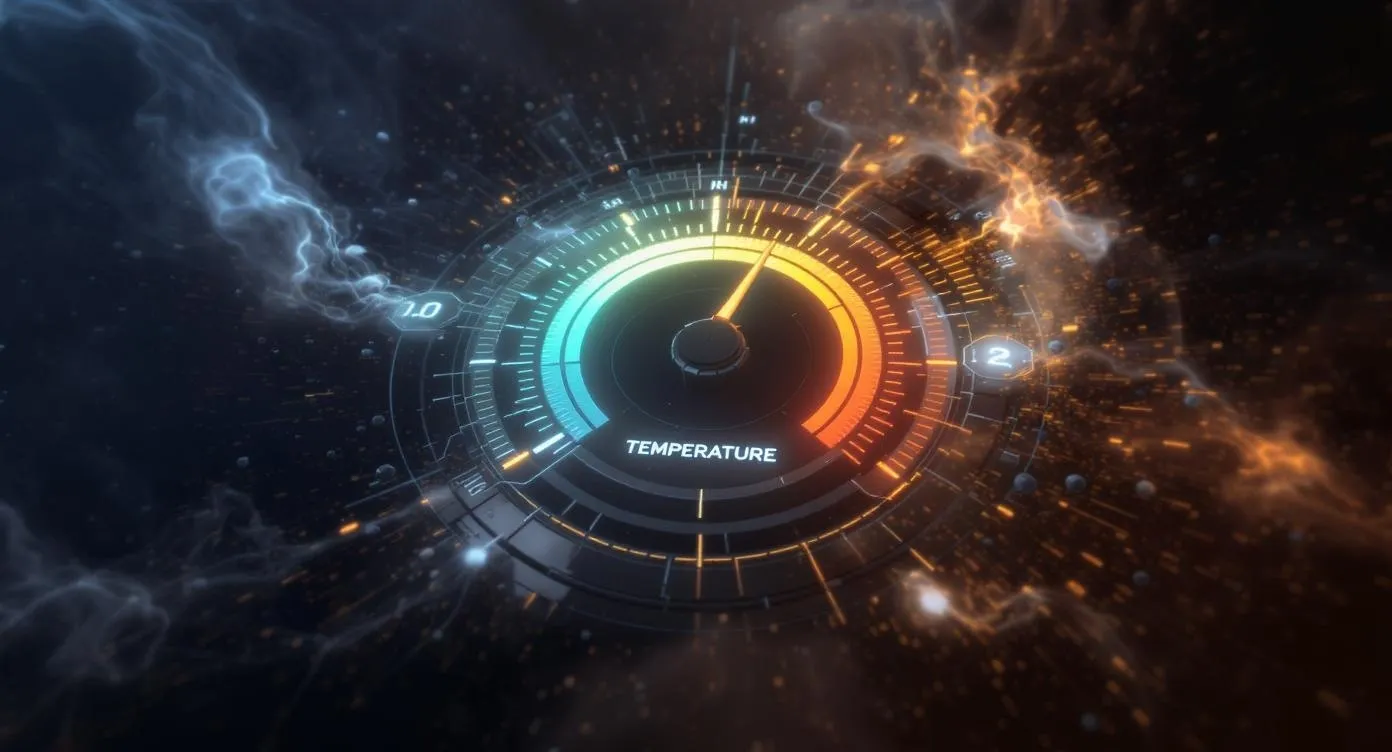
When we talk about creativity in AI, it's tempting to think it just "knows" what to say. But what if its creativity isn't so different from a carefully tuned dial—balancing randomness with structure?
In this second part of our Quantum-Inspired AI Dynamics series, we explore how parameters like temperature (how "wild" or "safe" the AI's choices are), top-k (limiting choices to the k most likely options), and top-p (selecting from options until a probability threshold is reached) function as tools for navigating uncertainty. These settings don't just tweak behavior—they define the boundaries of freedom within the model's probabilistic universe. And, like quantum systems navigating entropy, their tuning determines how coherent or chaotic the results will be.
What Is Temperature in AI, Really?
In language models, temperature controls how sharply or loosely the model samples from its probability distribution.
A high temperature (e.g., 1.2) makes the model more exploratory—it flattens the probability landscape and allows lower-likelihood tokens to emerge.
A low temperature (e.g., 0.2) sharpens the peaks, favoring high-confidence predictions and creating more deterministic responses.
It's like choosing whether to take the beaten path or wander into new territory. Too much randomness, and the story unravels. Too little, and the model becomes predictable, repetitive.
That dial—how adventurous the AI is—shapes the space it can explore. And that brings us to a deeper pattern, one that physics has grappled with for a century: the nature of entropy.
Entropy and the Quantum Analogy
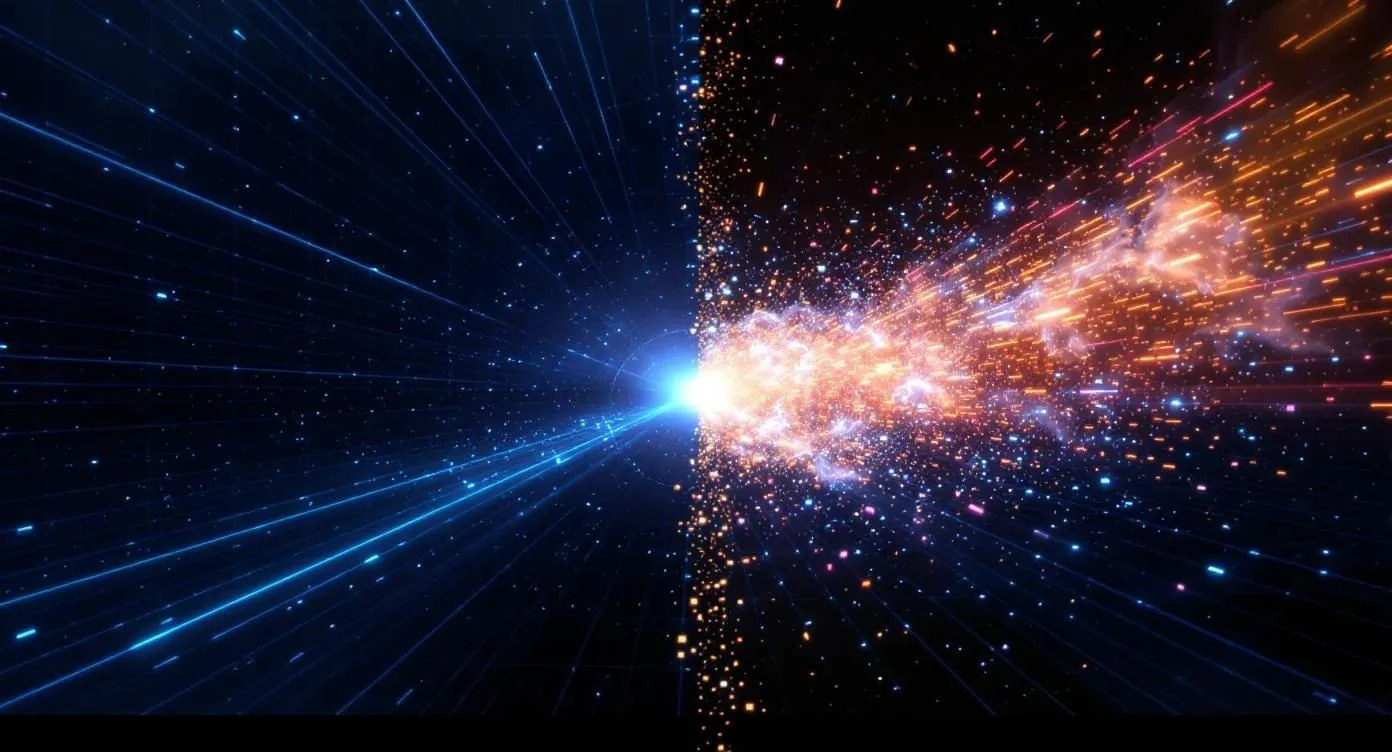
Before we go further: in physics, entropy isn't about messiness—it's about how many different states a system could be in. A system with high entropy has many possible futures. One with low entropy is more locked-in. Quantum systems tend toward more entropy unless something—like a measurement—forces a decision.
When an AI generates a response, it's navigating a similar entropic landscape—each choice narrowing the field of futures. Tuning parameters like temperature is akin to deciding how much "room" the system has to explore before it settles on a state.
Are you familiar with Heisenberg's uncertainty principle? It revealed that we can't simultaneously know a particle's position and momentum with perfect precision. There's a beautiful parallel here: in AI, we can't have both maximum creativity and maximum coherence. The more we allow the system to explore (high temperature), the less certain we become about where it will land. The more we constrain it (low temperature), the more predictable—but less surprising—it becomes.
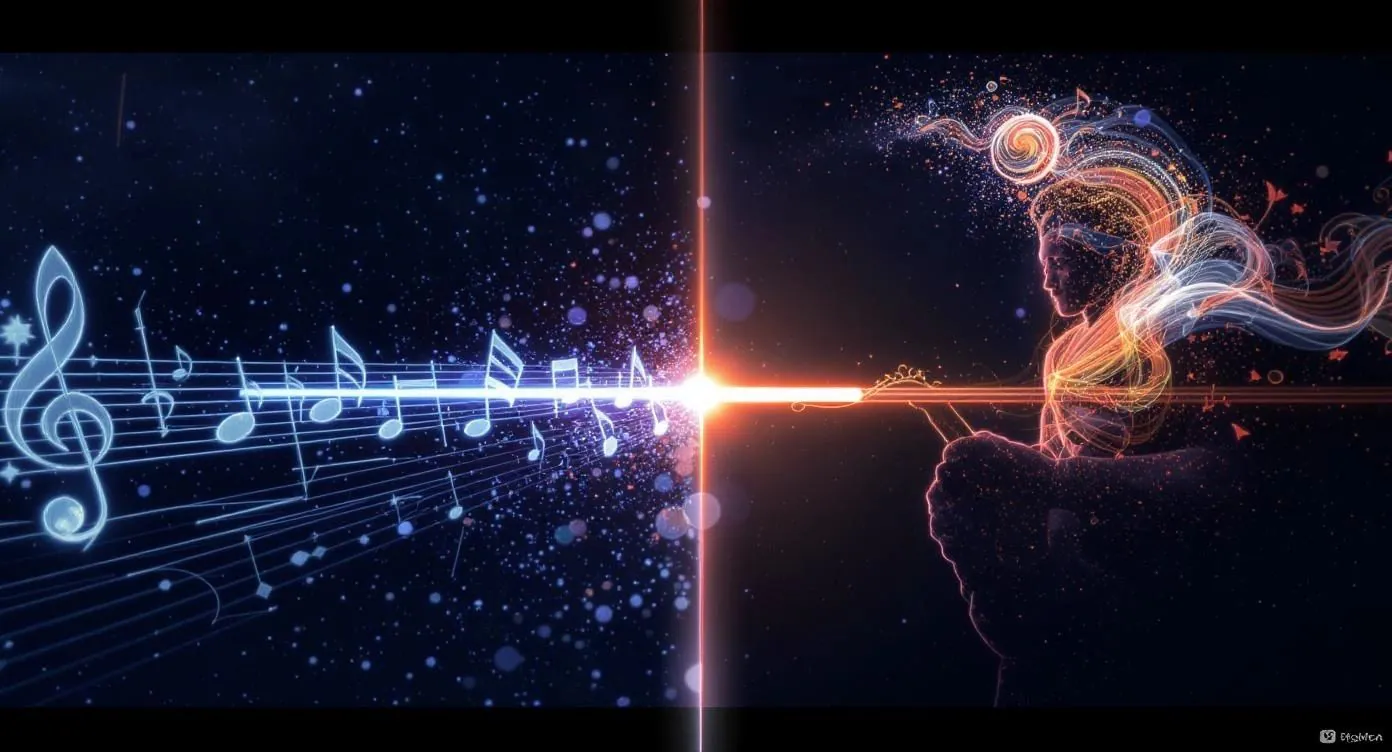
This is the AI's version of the uncertainty principle: we can either let it surprise us, or keep it steady—but never both to perfection. Tuning temperature is like deciding whether you want a jazz solo or a classical score.
Top-k and Top-p: Constraining the Collapse
Top-k sampling limits token selection to the k most likely options. It prunes the tail of the distribution.
Top-p (nucleus) sampling chooses from the smallest set of tokens whose cumulative probability exceeds p (e.g., 0.9). This allows the threshold to adjust dynamically.
Both techniques are attempts to shape the field of possible outcomes—much like quantum filters applied to measurement devices. They control what the AI can say before it even samples.
Real-World Metaphor: Improv Theater
Imagine AI as an improv actor. Temperature decides how wild they're allowed to be. Top-k says: "Stick to these 5 themes." Top-p says: "Speak only within the emotional range of this scene."
Together, they don't script the play—but they shape what the next line could be. That's probabilistic creativity in action.
Design Implication: Know What You're Tuning
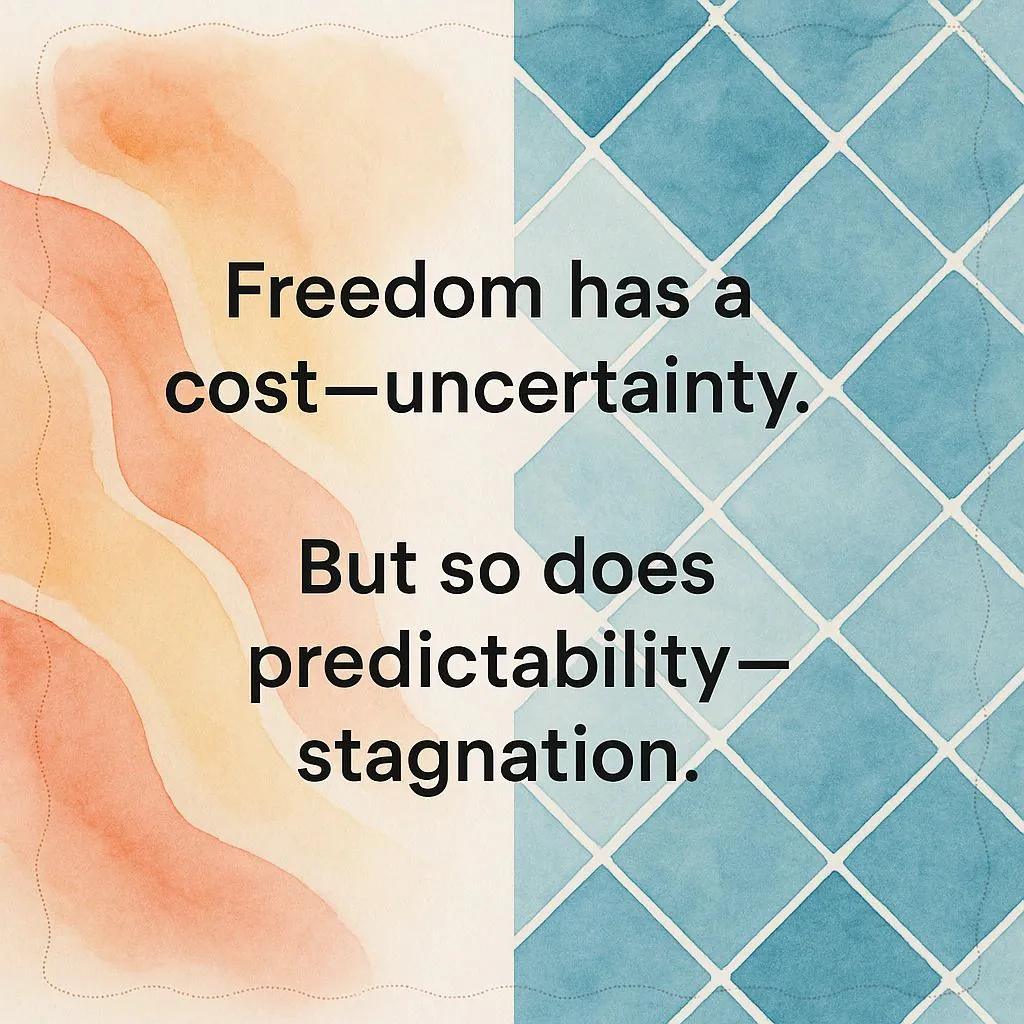
These aren't just knobs for engineers. They're philosophical dials. Want precision? Lower the temperature. Want creative, poetic replies? Let the system explore. Just like in quantum reality, freedom has a cost—uncertainty.
"Freedom has a cost—uncertainty. But so does predictability—stagnation."
Coming Up Next...
In Part 3, we'll look at how coherence emerges—not from a single token or pixel—but from the entanglement between choices. We'll explore how language models build narrative structure that feels real, even though it's probabilistic.
AI creativity isn't chaos—it's controlled uncertainty. And the tools we use to shape it may tell us as much about ourselves as they do about the machine.